
The 4-7-8 breathing technique represents one of the most scientifically validated non-pharmacological interventions for reducing sleep onset time and promoting natural relaxation. Developed by Dr. Andrew Weil and rooted in ancient yogic pranayama practices, this simple yet powerful method has demonstrated remarkable efficacy in clinical trials for improving sleep quality and reducing anxiety.
What is the 4-7-8 Breathing Technique?
The 4-7-8 breathing method is a controlled breathing exercise that follows a specific rhythm: inhaling for 4 counts, holding the breath for 7 counts, and exhaling for 8 counts. This technique is often referred to as a “natural tranquilizer” for the nervous system due to its ability to rapidly activate the body’s parasympathetic response.
The technique requires no equipment, takes minimal time to perform, and can be practiced anywhere, making it an accessible tool for immediate stress relief and sleep preparation. Clinical research has shown that regular practice can reduce sleep onset time by up to 6 minutes and significantly improve overall sleep quality.
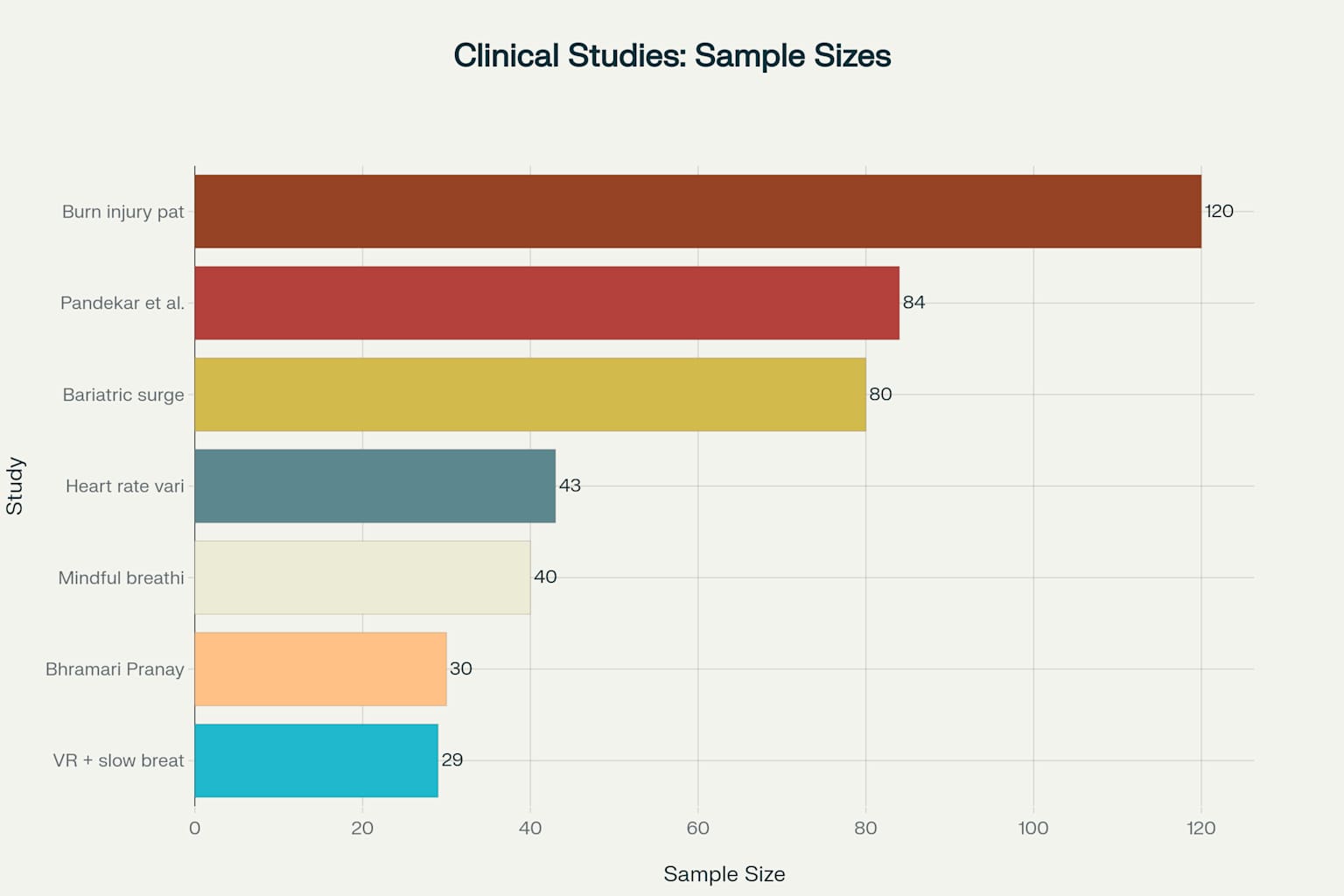
Clinical research sample sizes for studies investigating 4-7-8 breathing and related slow breathing techniques for sleep and health outcomes
Step-by-Step Instructions for Optimal Practice
Preparation Phase
Begin by finding a comfortable position, either sitting with your back straight or lying down on your back. Place the tip of your tongue against the ridge of tissue behind your upper front teeth and maintain this position throughout the entire exercise. This tongue placement is crucial for proper air flow control and maximizing the technique’s effectiveness.
The 4-7-8 Breathing Sequence
Step 1: Complete Initial Exhale Start by exhaling completely through your mouth, making a distinct “whoosh” sound to empty your lungs entirely. This initial exhalation sets the foundation for the breathing cycle and ensures proper oxygen exchange.
Step 2: Inhale for 4 Counts Close your mouth and inhale quietly through your nose for exactly 4 counts. The inhalation should be steady and controlled, allowing your lungs to fill completely with fresh oxygen.
Step 3: Hold for 7 Counts Hold your breath for 7 counts while keeping your mouth closed. This retention phase allows maximum oxygen saturation in the bloodstream and creates the physiological conditions necessary for parasympathetic activation.
Step 4: Exhale for 8 Counts Exhale completely through your mouth for 8 counts, again making the “whoosh” sound. This extended exhalation is the most critical component, as it stimulates the vagus nerve and triggers the relaxation response.
Step 5: Repeat the Cycle Complete this sequence three more times for a total of four breathing cycles. Beginners should not exceed four cycles initially to avoid potential dizziness or discomfort.
Scientific Evidence and Clinical Research
Cardiovascular and Autonomic Effects
Extensive clinical research has demonstrated the profound physiological impacts of the 4-7-8 breathing technique on cardiovascular function and autonomic nervous system regulation. A landmark study involving 43 healthy participants found that the technique significantly increased parasympathetic activity while simultaneously reducing blood pressure by an average of 5.8 mmHg.
The technique enhances heart rate variability (HRV), a key indicator of autonomic nervous system health and stress resilience. Research shows that high HRV correlates with improved cognitive function, better adaptability to stress, and enhanced recovery capacity.
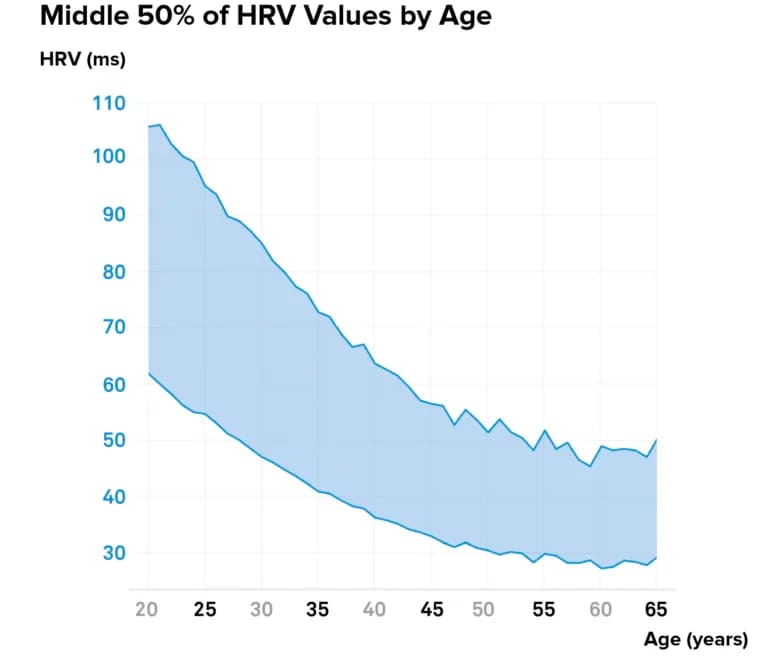
Middle 50% of heart rate variability (HRV) values generally decrease with increasing age.

An illustration contrasting low heart rate variability (HRV) with high HRV, highlighting their respective associations with ‘fight or flight’ and ‘rest and digest’ states.
Sleep Quality and Onset Time Improvements
Multiple clinical trials have documented significant improvements in sleep-related outcomes following 4-7-8 breathing practice. A study of patients recovering from bariatric surgery found that sleep quality scores improved from 67.0 in the control group to 80.6 in the breathing intervention group. Additionally, research involving adolescents demonstrated a 6-minute reduction in sleep onset latency when slow breathing techniques were combined with relaxation interventions.
A comprehensive study of burn injury patients revealed significant reductions in insomnia scores across all measured timepoints when 4-7-8 breathing was implemented as part of pain management protocols. These findings suggest that the technique’s benefits extend beyond simple relaxation to include meaningful improvements in sleep architecture and quality.
Anxiety and Depression Reduction
The most robust evidence for the 4-7-8 technique comes from studies examining its effects on anxiety and depression. Research involving 84 patients with moderate chronic obstructive pulmonary disease found that Hospital Anxiety and Depression Scale (HADS) scores decreased from 13.2 to 7.2 following four days of practice, representing a statistically significant improvement (p<0.0001).
Additional studies have confirmed these psychological benefits across diverse populations, including post-surgical patients and individuals with chronic respiratory conditions. The technique appears particularly effective for reducing state anxiety and promoting emotional regulation.
Physiological Mechanisms of Action
Parasympathetic Nervous System Activation
The 4-7-8 breathing technique works primarily by activating the parasympathetic nervous system, also known as the “rest and digest” response. The extended exhalation phase (8 counts) is particularly important because it stimulates the vagus nerve, which serves as the primary conduit for parasympathetic signals throughout the body.

Physiological effects of the parasympathetic nervous system on various organ systems, illustrating the ‘rest and digest’ state.
This activation triggers a cascade of physiological changes including decreased heart rate, reduced blood pressure, slowed respiration, and increased digestive activity. These changes collectively promote the optimal physiological state for sleep initiation and maintenance.
Neurotransmitter and Hormonal Effects
The practice influences key neurotransmitter systems involved in sleep regulation and stress response. Regular 4-7-8 breathing increases GABA (gamma-aminobutyric acid) activity, the brain’s primary inhibitory neurotransmitter, while simultaneously reducing cortisol and adrenaline production. This neurochemical shift promotes calmness, reduces anxiety, and facilitates the transition from wakefulness to sleep.
Respiratory-Brain Coupling
Recent neuroscience research has revealed that breathing patterns directly influence brain oscillations and sleep architecture. Controlled breathing techniques like the 4-7-8 method promote the coordination of sleep oscillations in the hippocampus, potentially enhancing memory consolidation and sleep quality. This respiratory-brain coupling represents a fundamental mechanism through which breathing exercises can improve both immediate relaxation and long-term sleep health.

EEG recordings illustrating the distinct brainwave patterns observed during awake states and different stages of NREM and REM sleep.
Comprehensive Benefits Profile
Immediate Physiological Effects
Within minutes of practice, the 4-7-8 technique produces measurable changes in cardiovascular function. Users typically experience reduced heart rate, decreased blood pressure, and increased peripheral blood flow. These immediate effects make the technique valuable not only for sleep preparation but also for acute stress management in various situations.
Sleep-Specific Improvements
The technique’s sleep benefits extend beyond simple onset time reduction to include improvements in sleep efficiency, duration, and subjective quality. Studies have documented fewer nighttime awakenings, enhanced sleep depth, and improved morning alertness among regular practitioners. The technique appears particularly effective when practiced as part of a consistent bedtime routine.
Long-Term Health Benefits
Regular practice of the 4-7-8 technique has been associated with sustained improvements in sleep quality even at three-month follow-up assessments. Beyond sleep, practitioners often report enhanced stress management capabilities, improved emotional regulation, and greater overall well-being. These long-term benefits suggest that the technique may help address underlying autonomic dysfunction that contributes to sleep disorders.
Safety Considerations and Contraindications
Medical Precautions
While generally safe for most individuals, the 4-7-8 breathing technique requires careful consideration for certain populations. People with respiratory conditions such as asthma or chronic obstructive pulmonary disease should consult healthcare providers before beginning practice. Similarly, individuals with cardiovascular conditions, pregnant women, and those taking medications affecting breathing or heart rate should seek medical guidance.
Warning Signs and Modifications
Practitioners should immediately stop the exercise if they experience dizziness, chest pain, or severe shortness of breath. For beginners who have difficulty with the full 4-7-8 count, maintaining the same ratio with shorter durations (such as 2-3.5-4) can provide similar benefits while reducing the risk of adverse effects. The key is maintaining the proportional relationship rather than the absolute timing.
Best Practices for Safe Implementation
Start with the standard four cycles and gradually increase practice frequency rather than duration. The technique should feel comfortable and sustainable rather than strenuous or forced. Practicing in a safe environment, preferably while seated or lying down, helps prevent falls if dizziness occurs.
Optimal Practice Guidelines
Timing and Frequency
For sleep benefits, practice the 4-7-8 technique 30-60 minutes before bedtime as part of a consistent wind-down routine. Morning practice can help start the day with increased calmness and improved stress resilience. Research suggests that practicing at least twice daily provides optimal benefits, with additional sessions available for acute stress management.
Environmental Considerations
Create an optimal practice environment by minimizing distractions, ensuring comfortable temperature, and using dim lighting for evening sessions. The technique works well in bed, making it particularly convenient for sleep preparation. Some practitioners find that gentle background sounds or guided audio can enhance the experience, though the technique is equally effective in silence.
Integration with Other Sleep Hygiene Practices
The 4-7-8 technique complements other evidence-based sleep hygiene practices including consistent sleep schedules, appropriate sleep environment optimization, and limiting evening stimulation. When combined with mindfulness practices or progressive muscle relaxation, the technique’s benefits may be enhanced.
The 4-7-8 Breathing Method
Your science-backed guide to calming your nervous system and falling asleep faster.
A Modern Sleep Crisis
70M
Americans suffer from a chronic sleep disorder.
62%
Of adults globally report they don’t sleep well.
1 in 3
U.S. adults don’t get the recommended 7+ hours of sleep.
This collective exhaustion isn’t just about feeling tired. It’s linked to serious health risks. The core problem for many is a state of hyper-arousal—a brain that simply refuses to switch off.
How to Perform the 4-7-8 Breath
Follow this simple, four-step cycle, developed by Dr. Andrew Weil. For beginners, complete this for a total of four cycles.
Prepare
Lie down comfortably. Place the tip of your tongue against the tissue ridge behind your upper front teeth. Keep it there for the entire exercise.
Inhale (4s)
Close your mouth and inhale quietly through your nose for a mental count of four.
Hold (7s)
Hold your breath for a relaxed count of seven.
Exhale (8s)
Exhale completely through your mouth, making a “whoosh” sound, for a count of eight.
The Science of Calm: Hacking Your Nervous System
The 4-7-8 method isn’t magic; it’s physiology. It works by manually shifting your body from the stressed “Fight or Flight” system to the calming “Rest and Digest” system. The long 8-second exhale is the key, stimulating the vagus nerve which sends relaxation signals throughout your body.
Immediate Drop in Heart Rate
The technique physically slows the cardiovascular system, countering the “racing heart” of anxiety and signaling it’s safe to rest.
Reduced Anxiety & Improved Resilience
Studies show the technique significantly reduces state anxiety and improves Heart Rate Variability (HRV), a key marker of a resilient nervous system.
A Breathwork Toolkit: Choosing the Right Breath
The 4-7-8 technique is a specialist tool for deep relaxation. Here’s how it compares to other common methods.
| Technique | Primary Goal | Best For Sleep |
|---|---|---|
| 4-7-8 Breathing | Deep Relaxation & Sedation | Excellent. Specifically designed to induce a pre-sleep state. |
| Box Breathing | Calm Focus & Regulation | Good. Calms a racing mind but less sedating. |
| Alternate Nostril | Balance & Calm Energy | Not Recommended. Can increase alertness. |
The Path to Mastery
Consistency is Key
Beginners (First Month)
Practice 4 breath cycles, twice a day (e.g., morning and before bed).
Advanced Practice
After one month, you can increase to 8 cycles per session. Do not exceed this.
The most profound benefits come after 4-6 weeks of consistent practice.
Troubleshooting Common Issues
- Q: Feeling dizzy? This is normal at first. Always practice lying down and stop if it persists.
- Q: Can’t hold for 7 seconds? Focus on the RATIO. Try a 2-3.5-4 second pattern instead. The long exhale is what matters.
- Q: Mind still racing? Use the counting as an anchor. Gently guide your focus back to the breath each time it wanders.
Conclusion
The 4-7-8 breathing technique represents a scientifically validated, accessible, and effective intervention for improving sleep onset time and overall sleep quality. With robust evidence from multiple clinical trials demonstrating significant benefits for anxiety reduction, cardiovascular health, and sleep improvement, this simple practice offers a valuable tool for addressing modern sleep challenges.
The technique’s effectiveness stems from its ability to rapidly activate the parasympathetic nervous system, optimize neurotransmitter balance, and promote the physiological conditions necessary for restful sleep. When practiced consistently and safely, the 4-7-8 method can provide both immediate relief from stress and anxiety as well as long-term improvements in sleep health and overall well-being.
For individuals seeking non-pharmacological approaches to sleep difficulties, the 4-7-8 breathing technique offers a evidence-based solution that requires no equipment, minimal time investment, and can be practiced virtually anywhere. As with any health intervention, those with medical conditions should consult healthcare providers before beginning practice, but for most people, this simple yet powerful technique can serve as a cornerstone of healthy sleep habits.